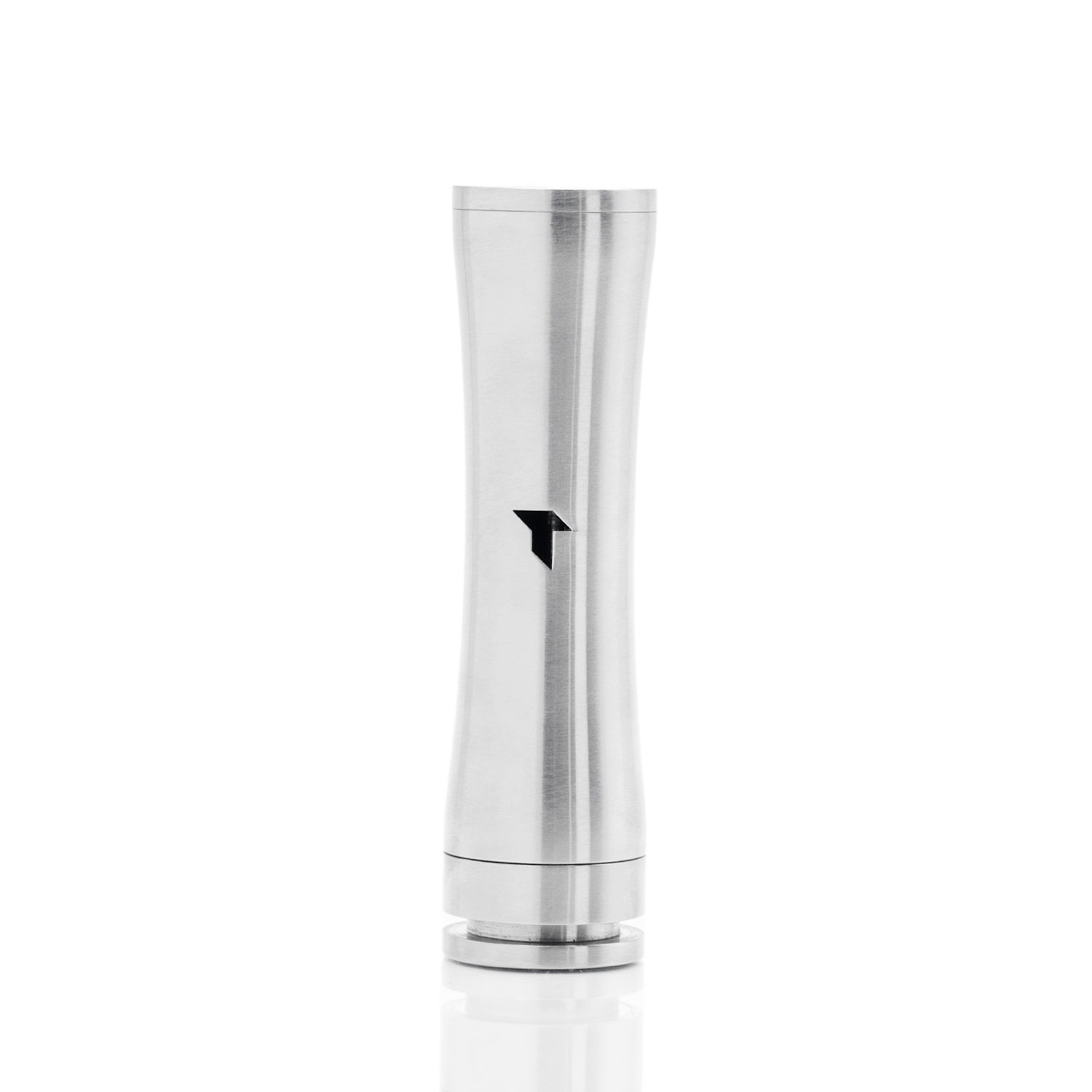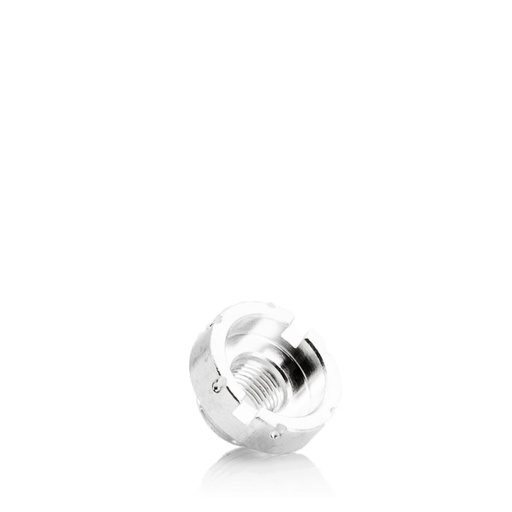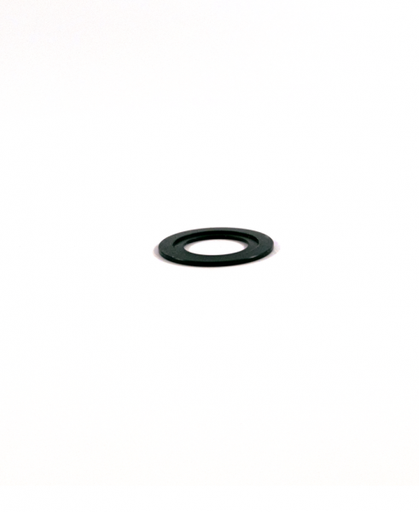
A Titanide mod is designed as an assembly of mechanical parts. This construction makes it possible to clean the contacts and replace certain identified elements. It does not mean you can take everything apart without a method. Before opening the mod, always remove the battery and lay out the parts in the order you took them off.
The commitments published by Titanide mention design, repair, customization and some production in France. The historic workshop is in Saint-Étienne. For a repair, contact customer service before shipping: the diagnosis, the return address and the applicable conditions must be confirmed for your product.
Which checks should you do regularly?
Start with the outside. Look for a trace of impact, a marked thread, a ferrule that binds or a switch that returns poorly. Then look inside the tube with a bright light. It must be clean, dry and free of foreign objects.
Examine the battery separately. Its wrap must show no nicks or peeling. The insulating ring around the positive terminal must be intact. A battery that is deformed, dropped or of uncertain origin stays out of the mod.
On the LETO 2.1, the switch is locked with a ferrule. Test this lock with no load, battery removed. A mechanical control must move without a hard spot and return firmly.
How do you clean the tube and the threads?
Use a soft, lint-free cloth. For a liquid mark, lightly dampen the cloth, then dry immediately. Never let water run into an assembled mod. Do not immerse the switch or the head.
Threads collect dust, fibers and residue. Run a soft, dry brush along the direction of the thread. A small amount of dirt can be enough to give an uneven tightening feel. If the thread still resists after cleaning, do not force it: a cross-threaded part can be damaged quickly.
Avoid steel wool, polishing pastes and abrasive products. They change the surface look and can remove a treatment. On a brushed finish, rubbing in circles creates visible marks. On a Cerakote coating, an abrasive attacks the finish layer.
How do you keep good electrical contacts?
Remove the battery and the atomizer. Wipe the contacts with a dry cloth or a lint-free cotton swab. They must be clean, flat and properly held. A slight discoloration from use is not necessarily a fault; deep pitting, deformation or a loose part calls for a check.
Do not add grease or conductive product without instructions specific to the model. Excess can migrate to the insulator or hold dust. Do not sand plating: you could remove the surface layer and change the contact.
After reassembly, check that the movement is continuous without a battery. Then install an atomizer whose resistance has been measured on a reliable device. If the switch heats up more than the tube, stop using it and have the whole thing examined.
When should you replace a part rather than clean it?
A part is replaced when it is deformed, cracked, heavily pitted or when its insulator no longer does its job. An insulating washer is not a decorative element. Its thickness and material are part of the electrical separation.
The catalog includes individual spare parts, notably the LBF connector contact and the 16/22 washer for LBF connector. Their presence does not mean they suit every mod. Check the exact model and the reference before ordering.
The Mod Spare Parts category shows the elements actually available. If the part you are looking for is not there, ask customer service. Do not adapt a screw, a spring or an insulator of similar dimensions.
Which work should you leave to the workshop?
Hand the mod over to the workshop if the tube is deformed, if the switch stays stuck, if an insulator has overheated, if a thread is stripped or if the electrical behavior stays irregular after a simple cleaning. Engraving, customization or a finish repair also requires a prior discussion.
Do not try to straighten a tube with a clamping tool. Do not heat a part to free it. Do not machine a contact to make it compatible. These operations can change clearances, seating surfaces and insulation.
The Resources page gathers the available manuals. Some older models do not have a local PDF yet: the "manual coming soon" mention avoids assigning them a document that does not match.
How do you prepare a repair request?
Note the model, the finish and, if there is one, the part number. Describe the symptom without interpretation: "the switch returns slowly" helps more than "the spring is dead". Add clear photos of the whole mod, of the defect and of the inside of the tube, with no battery installed.
Contact Titanide at the published address [email protected] or at 01 87 65 18 39. Ask for the procedure and the return address to use. The historic Shipping page mentions an after-sales address in Paris; it may change, which is why it is worth having it confirmed before each shipment.
Ship only the items requested. Remove the battery and the liquid. Protect the mod so it does not move in the parcel, and include the information customer service has given you.
What can be said about the warranty?
The general sources consulted describe durable, repairable products, but they do not give a single warranty rule applicable to all mods. The duration, the exclusions and the coverage must therefore be checked on the listing, the manual and the terms of sale of the product concerned.
Regular maintenance does not replace these documents. Keep proof of purchase and do not make an irreversible modification before asking whether it affects coverage.
Frequently asked questions
Can you wash a Titanide mod under water?
No. Remove the battery and clean the surfaces with a slightly damp cloth, then a dry one. Mechanical assemblies and contacts must not be immersed.
Do all spare parts fit the LETO 2.1?
No. A part in the catalog may be meant for another model. Check the reference with customer service before ordering.
Where should I send a mod for repair?
First contact Titanide by email or phone. Have the procedure and address that fit your case confirmed before shipping.